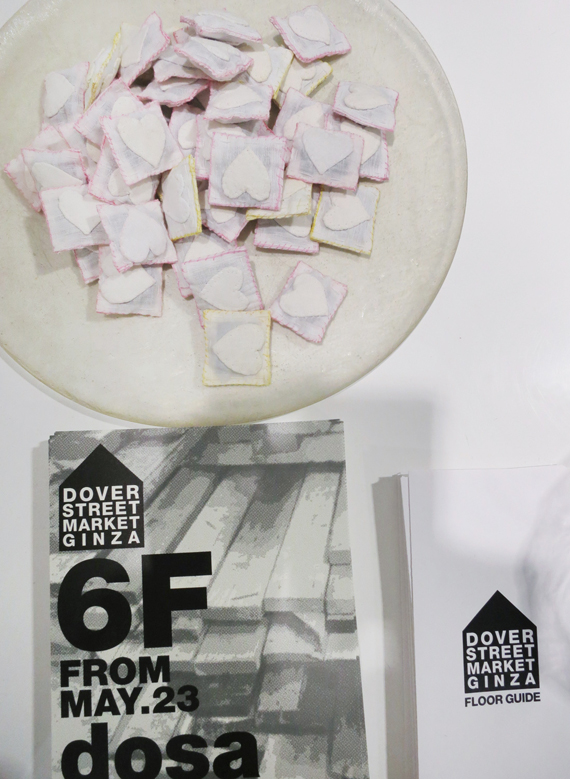
Dover Street Market Ginza announcement
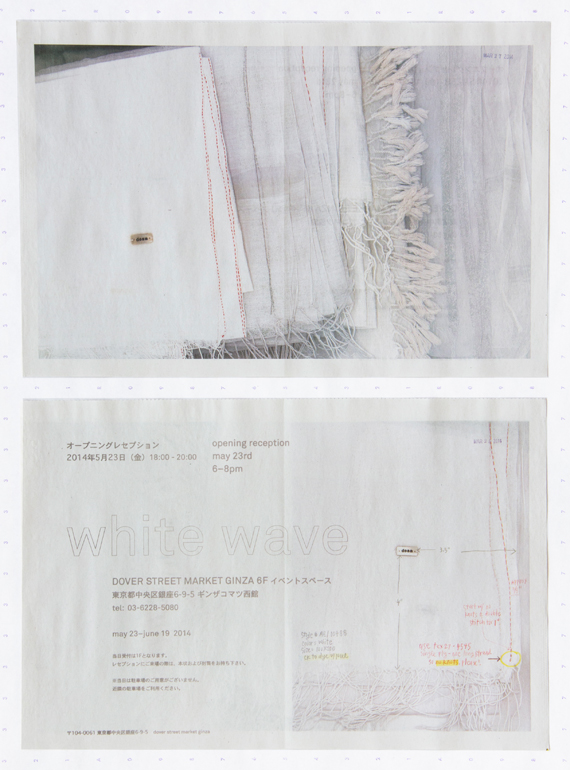
dosa invitation
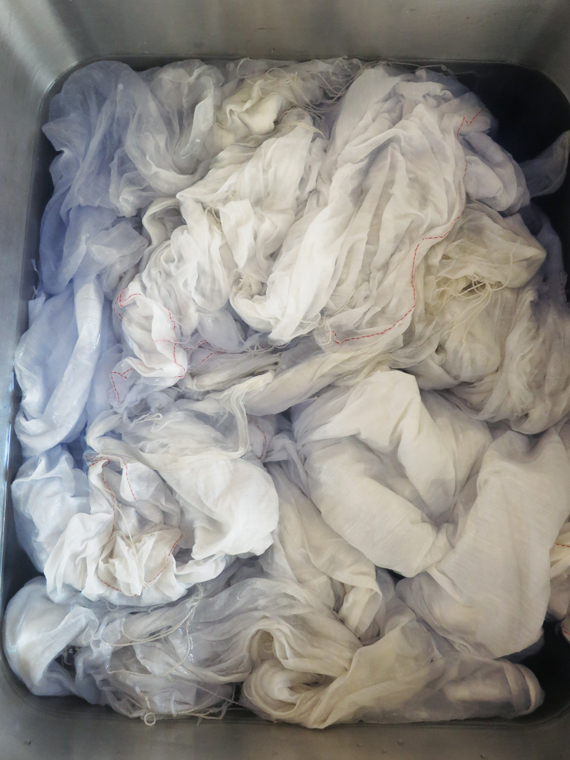
dyeing with neel
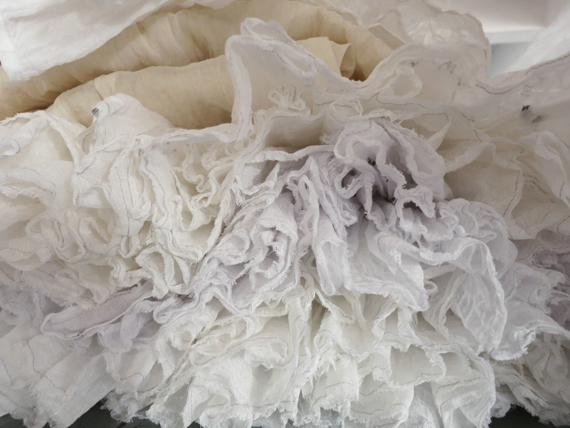
rabari jackets in shades of white
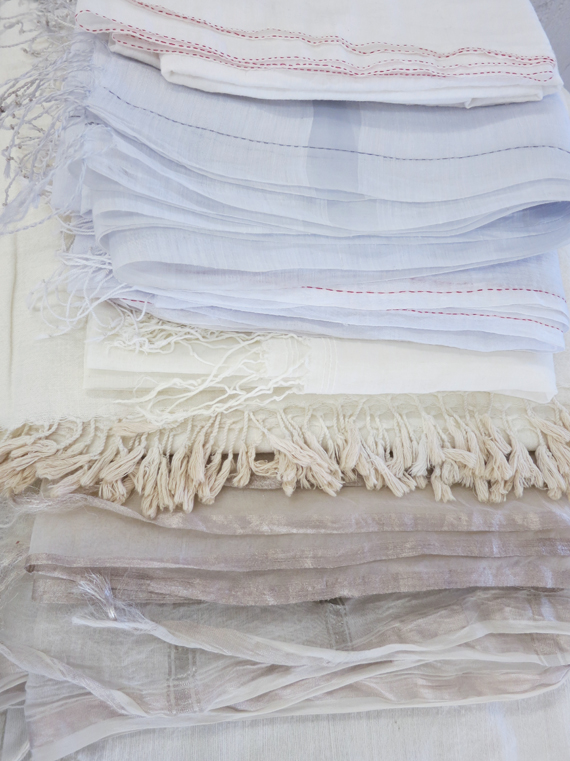
stack of shawls
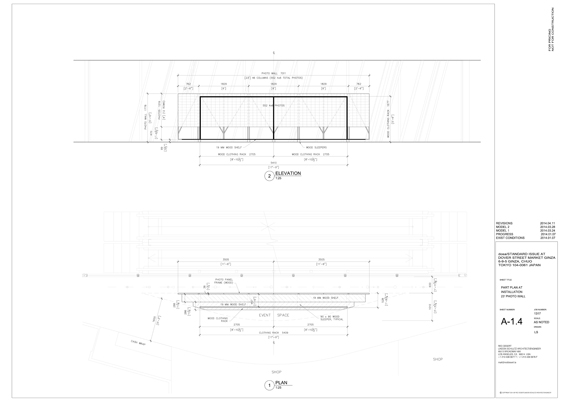
floor plan and elevation
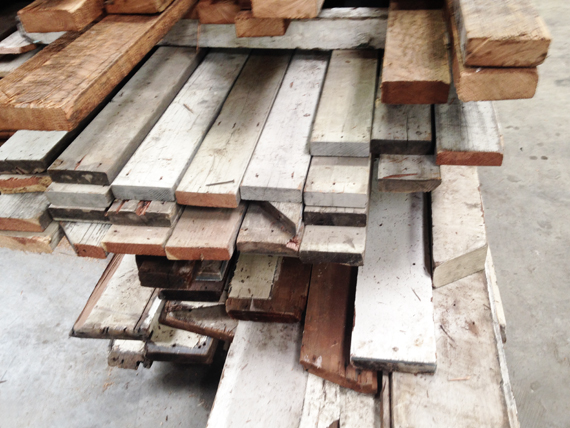
salvaged wood from the lumberyard
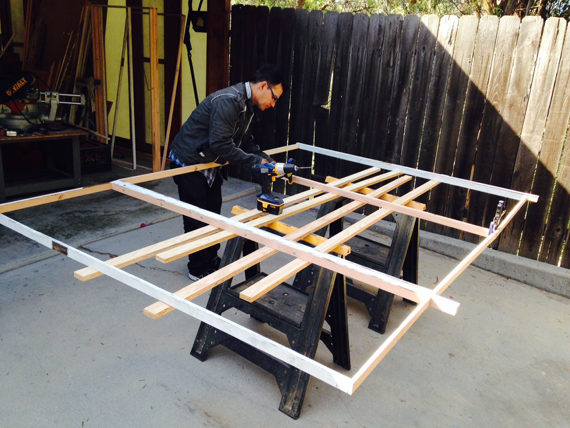
José helps construct wooden frames in LA
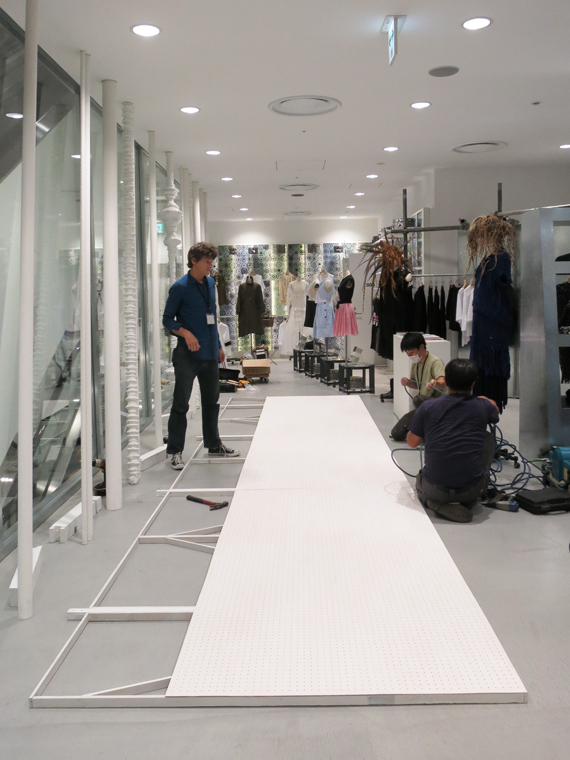
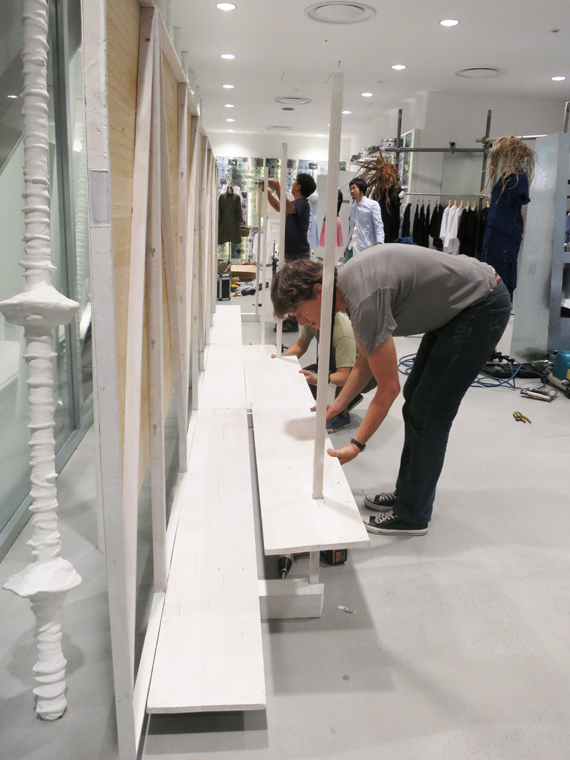
assembling walls and frames at DSMG
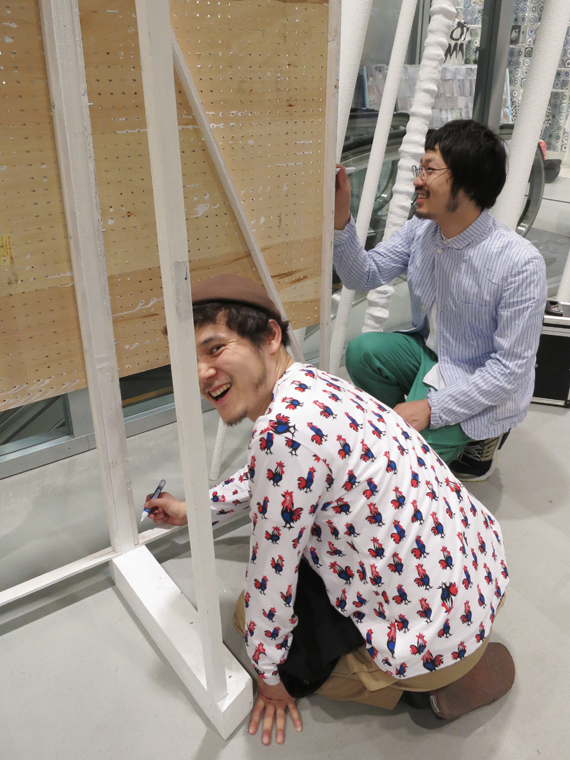
DSMG employees touching up details with white-out
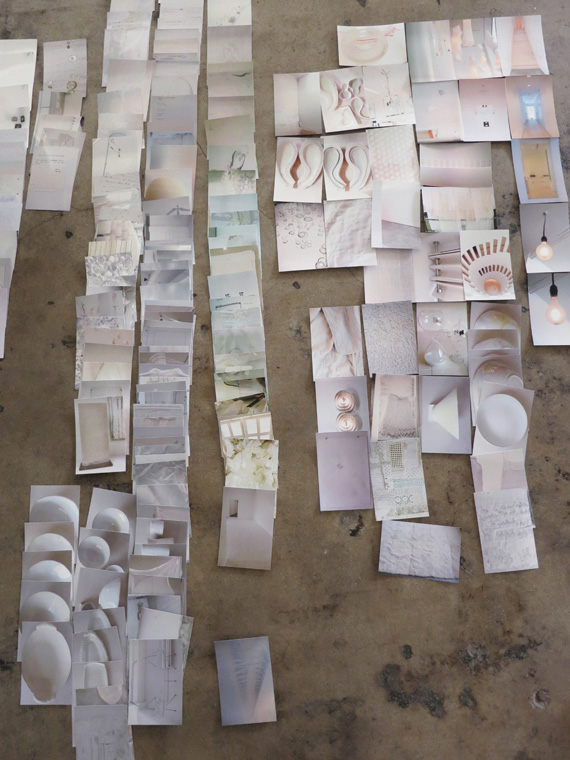
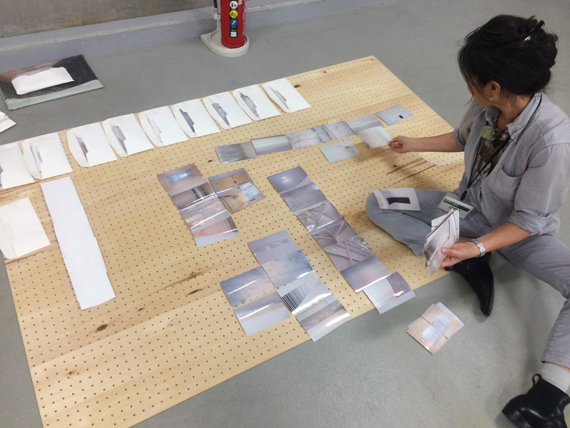
initial layout of photos
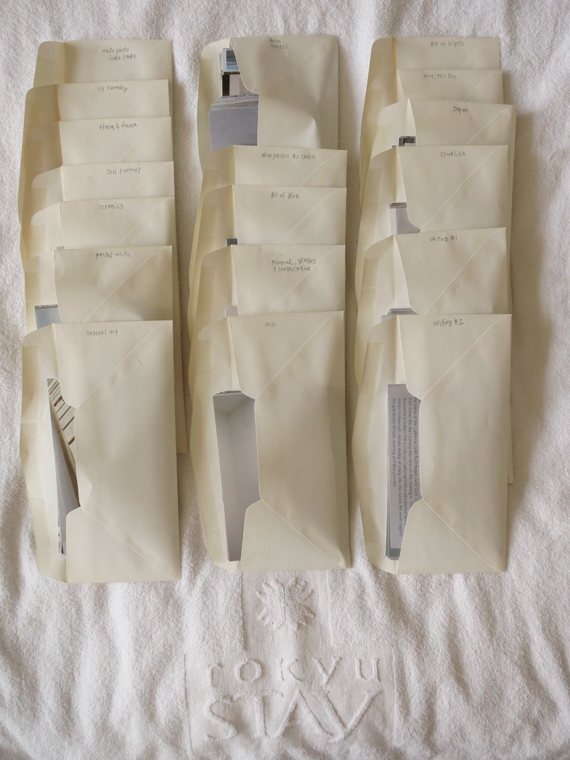
organizing photos by subject matter, color, and scale
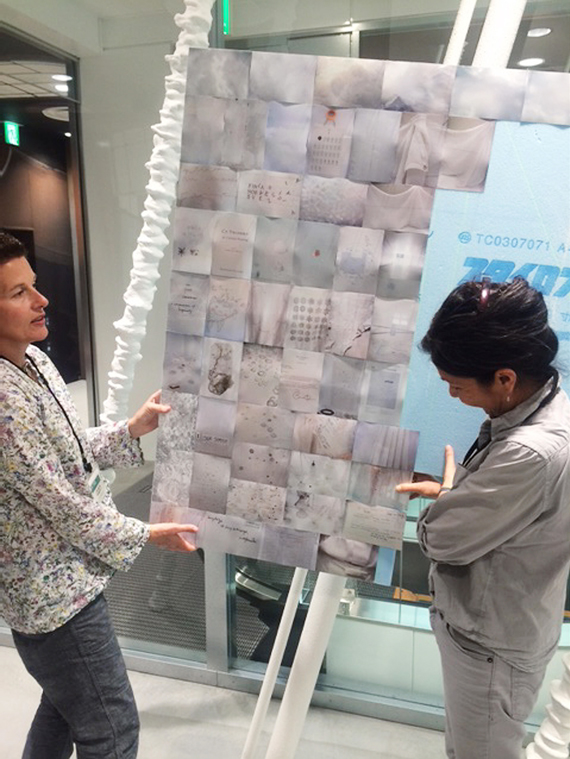
checking for color cast on site
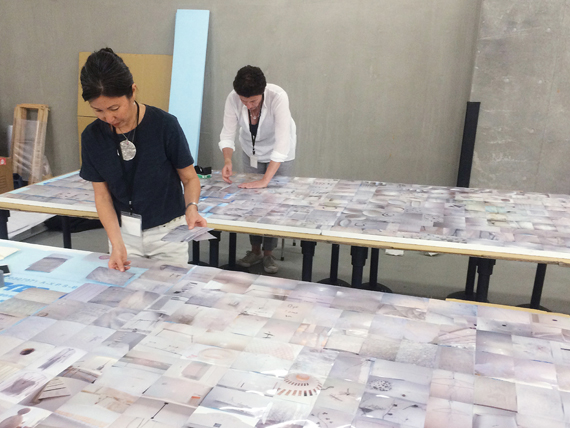
Francesca helps Christina mount photos
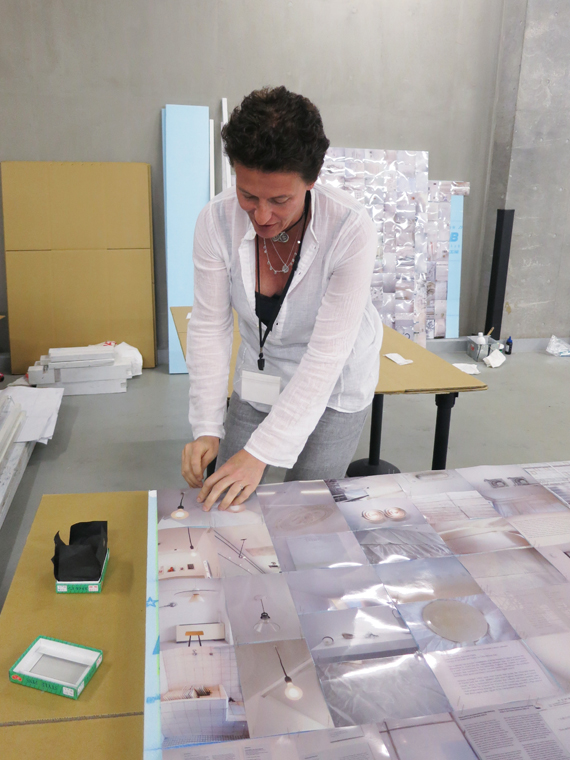
pinning of the last photo
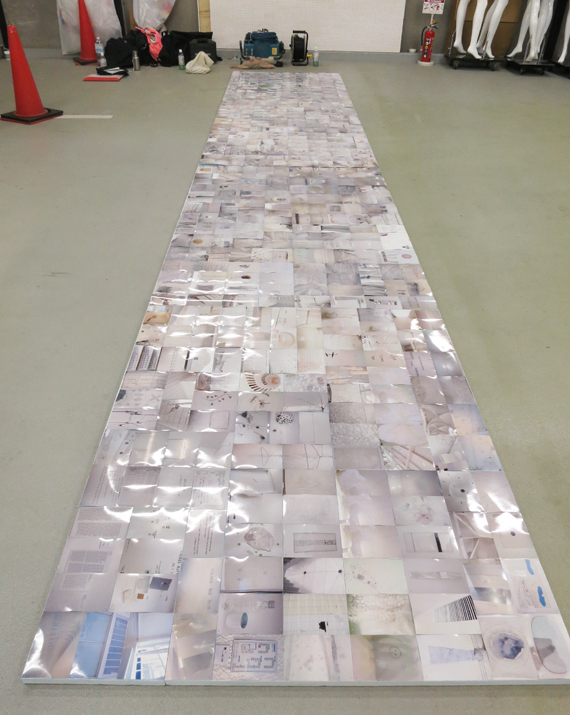
the photo wall, 4ft x 22ft
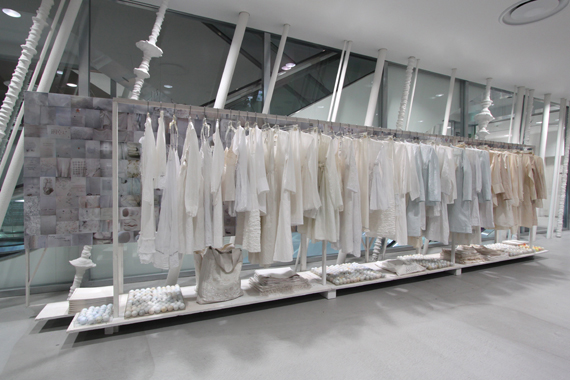
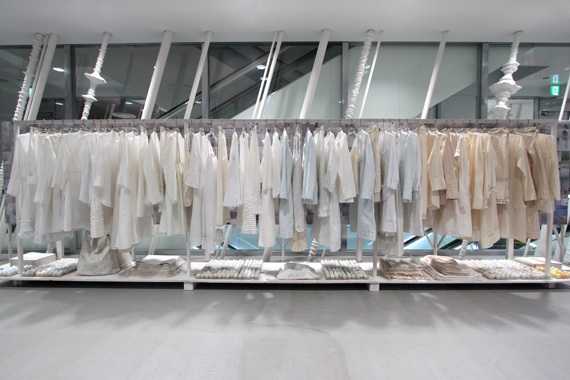
white wave
2014
Tokyo, Japan
Color was the inspiration for white wave, a store-within-a-store created for Dover Street Market Ginza, the shop founded by Rei Kawakubo of Comme des Garçons. The installation drew upon an enduring dosa influence: the purity and unpretentiousness of the white ceramic ware of Korea’s Yi dynasty. white wave echoed the palette of Yi “moon jars” with its subtle interplay across a spectrum of white, leading to in-between places, where white becomes an inexact, imperfect shade, neither fully here nor there, always becoming something slightly other.
The installation was infused with references to the work of American painter Cy Twombly. Passages from Cy Twombly: The Sculpture (2000) were transcribed and hand-embroidered in graphite, charcoal, and red threads onto pieces from our Standard Issue collection. Each quote was particular to its garment.
dosa clothing hung on a handmade whitewashed structure designed and made by architect Lindon Schultz. Comprised of a long rack, a low platform, and a photo wall, it was constructed using salvaged wood evoking Twombly’s rough-hewn, found-object sculptures.
A collage of 700 photographs in tones and shades of white, made up the backdrop to the clothing display. Individually, the photos reveal very little – simple snapshots taken over the years, the floor of an artist’s workshop, the ceiling of a hotel room. Arranged collectively and in larger scale, they form a story and bring context to a larger vision.