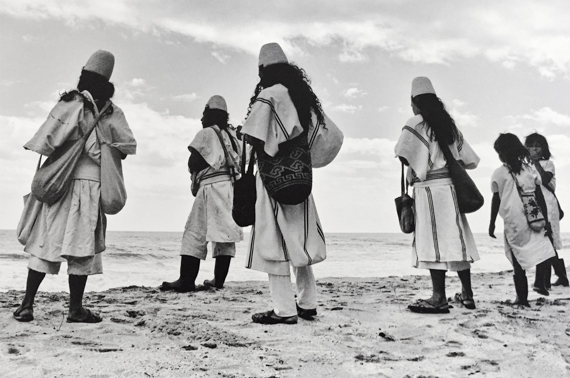
Sierra Nevada de Santa Marta, Colombia | photo by Fernando Caño Busquets
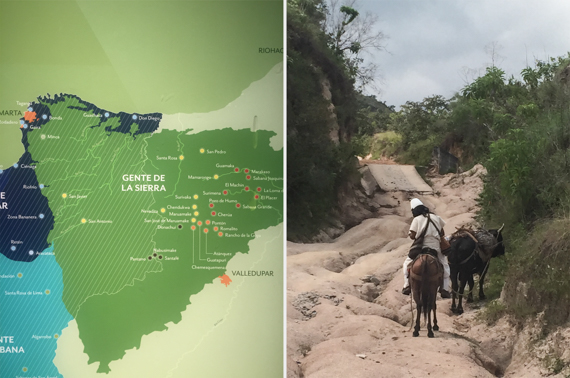
map of Sierra Nevada de Santa Marta region and the road to Nabusimake
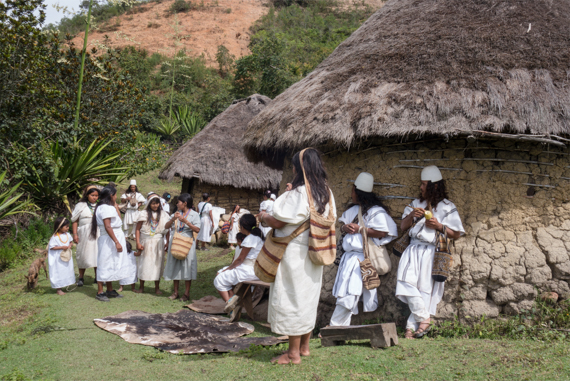
Nabusimake village
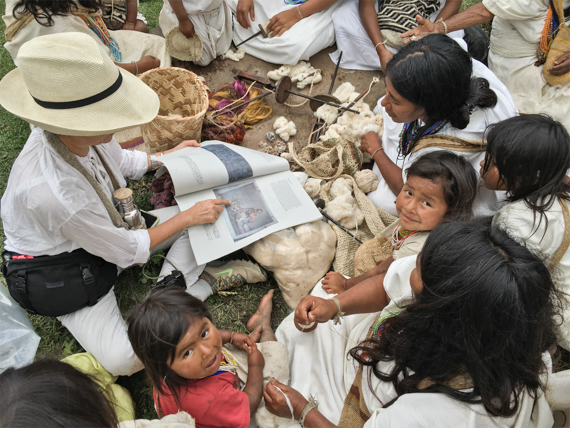
sharing the dosa glossary with Arhuaco women
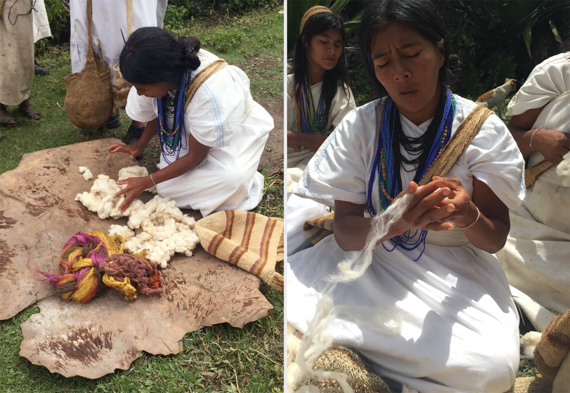
raw materials and Jael spinning cotton
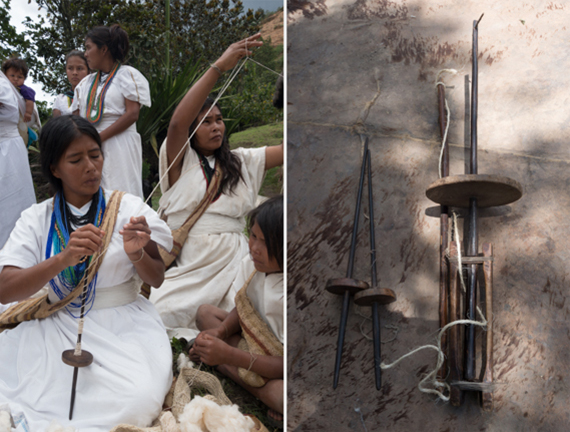
curkuña + carumba (spinning tools)
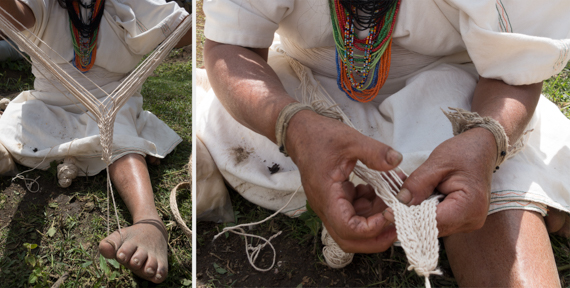
making the handle
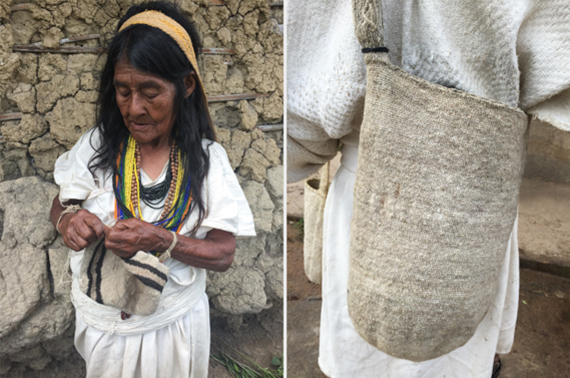
Eulogia, 92 years old, making wool tutu (mochila)
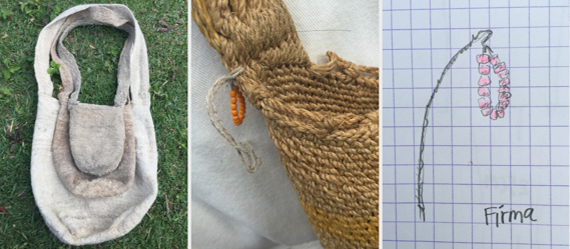
artisan's signature
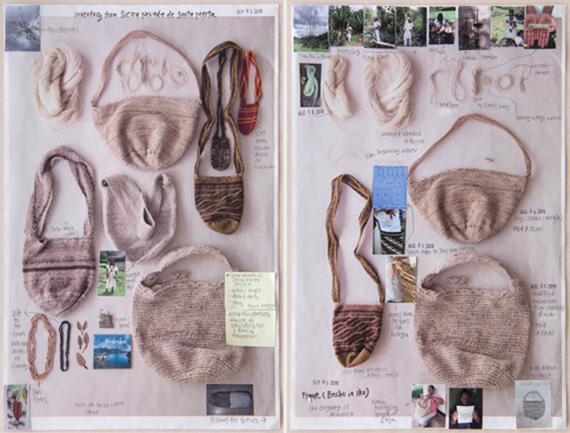
documentation of specimens and techniques from first research trip
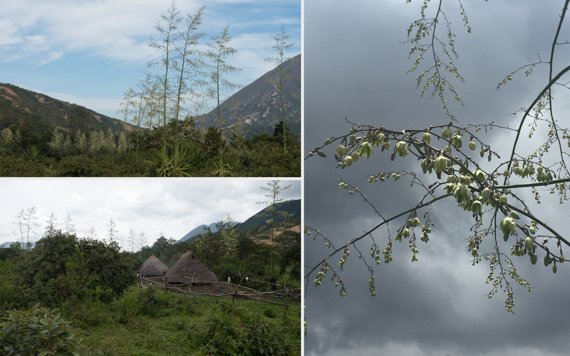
fique in bloom
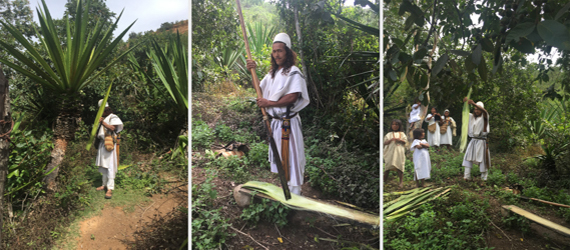
Jael's husband procuring fique to make fiber
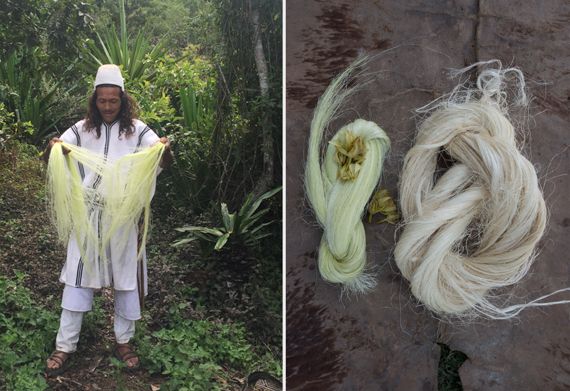
fique before and after washing and drying in the sun
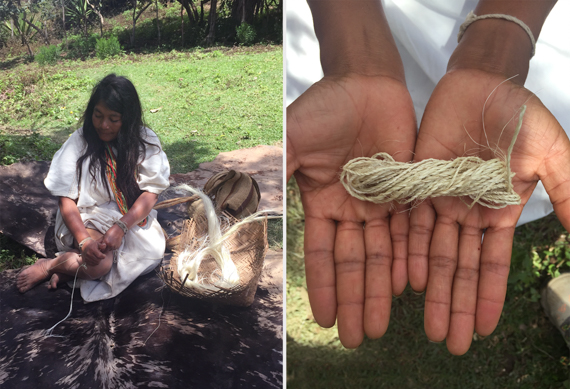
Ana Luise hand spinning fique fiber
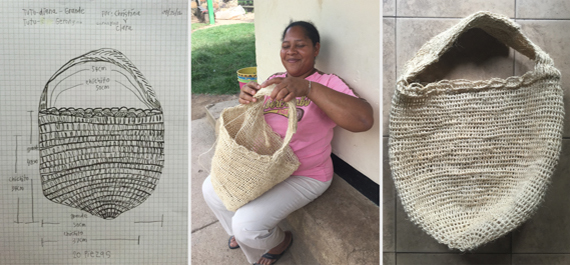
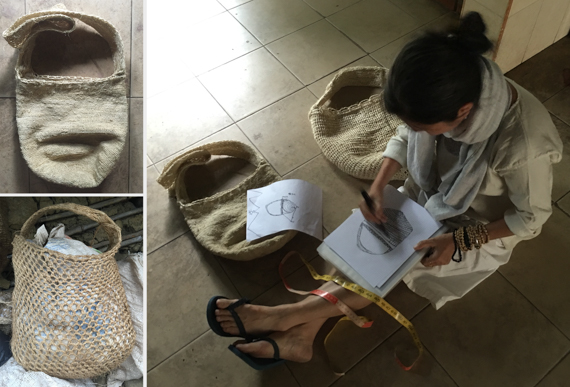
Christina's hand drawn specs with her first modification for Diana's fique market bag from Nabusimake
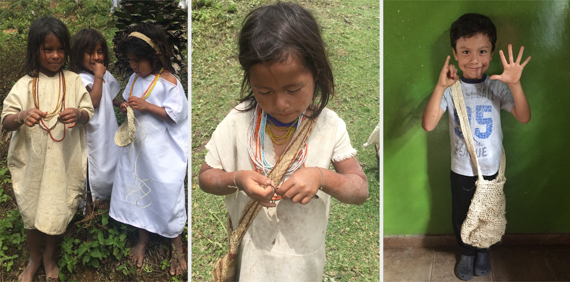
children learn to make fique mochilas from a young age
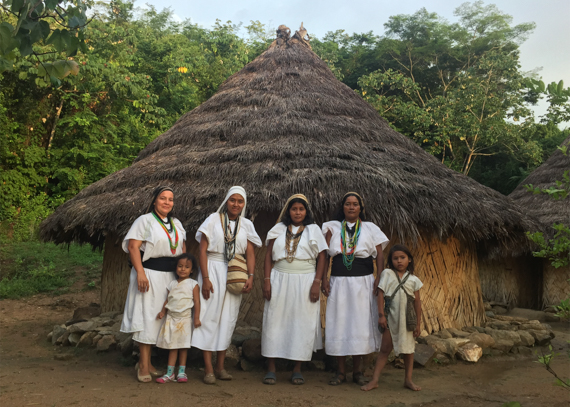
a portion of the project's proceeds are going towards building a traditional style community center for women
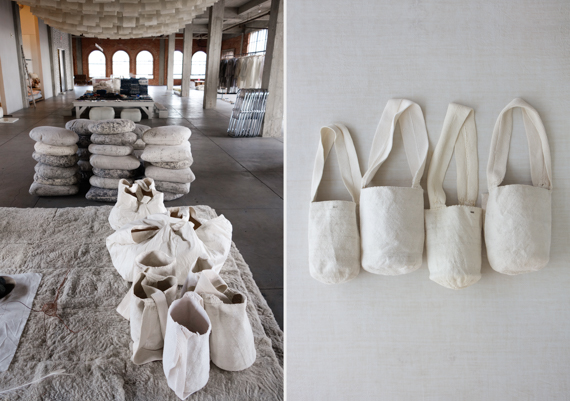
white cotton mochilas symbolizing the snow capped mountains of the region, and worn only by mamos (priests)
Sierra Nevada de Santa Marta Project
2016–ongoing
Sierra Nevada de Santa Marta, Colombia
“When the heart thinks, it weaves” an Arhuaco saying from Peter Elsass’, Strategies for Survival: The Psychology of Cultural Resilience in Ethnic Minorities
A vital part of my design practice is developing relationships with artisans to support and honor their living traditions. My curiosity about the white bag from the Sierra Nevada de Santa Marta, Colombia began in the late ‘80s, when I bought five mochilas with geometric designs from a Colombian craft store in New York City. There, I was told about the white cotton bag, which symbolizes the snow-covered peaks in the coast of Colombia, and is used only by the mamos or priests. Ever since, I searched for the white bag. When Colombian journalist, Marcella Echavarria, asked me to do an interview, I asked her in return to help me track down the white bag. In 2011, she gifted one to me, deepening my search to learn more.
In 2016, I was invited by collaborator Clara Llano to visit the Arhuacos, an indigenous group from Colombia. After discussing with the community, they invited me back to develop a mutually beneficial exchange. The funds from selling the bags go towards continuing the work, providing a steady income for the community, and building a traditional style community center for women. Mochilas or tutus are made by women and children of the community, and carry immense meaning with each stitch representing thought. This project is a long-term commitment to create a comprehensive documentation of the women’s work and traditions, to give back to the community, and to share hand-sewing skills that have been forgotten by the Arhuacos.